WHO ARE WE ?
OUR IMPACT STRATEGY

Our impact strategy is first and foremost built on the potential of individuals.
Our strategy aims to remove the barriers that prevent people who are traditionally underrepresented — particularly women, young people, and rural or peri-urban populations — from fully accessing economic opportunities.
It is not simply about enabling people to move out of poverty, but about creating the conditions for shared and sustainable prosperity.

- That economic initiative is already widespread and can become a driver of improved living conditions: millions of people engage in entrepreneurial activities every day to make a living.
- That without access to the right skills, finance and markets, these initiatives remain fragile and struggle to become genuine drivers of development.
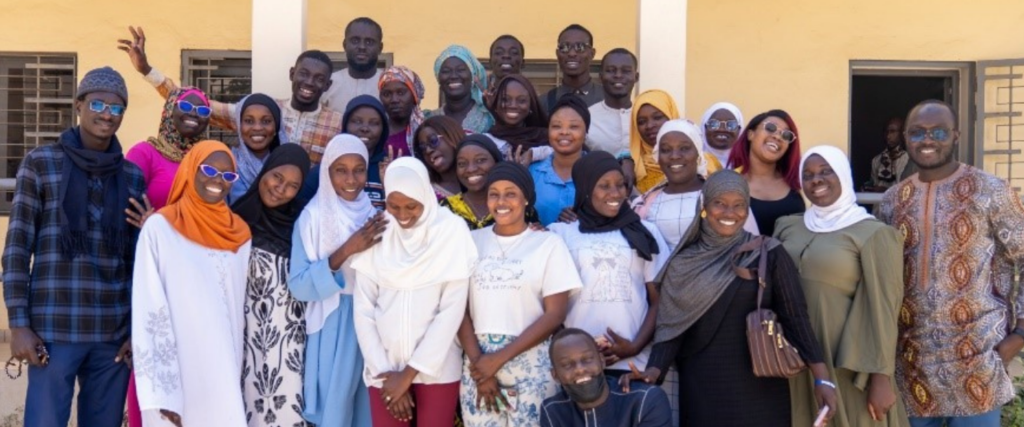
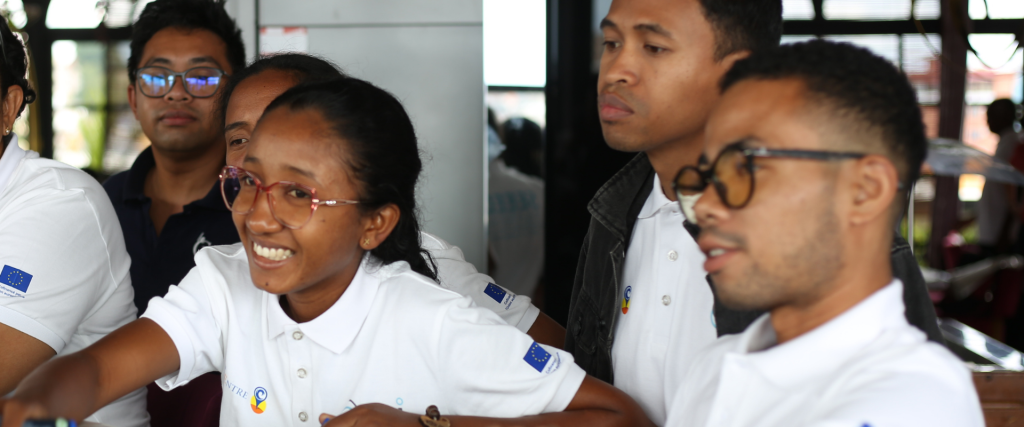
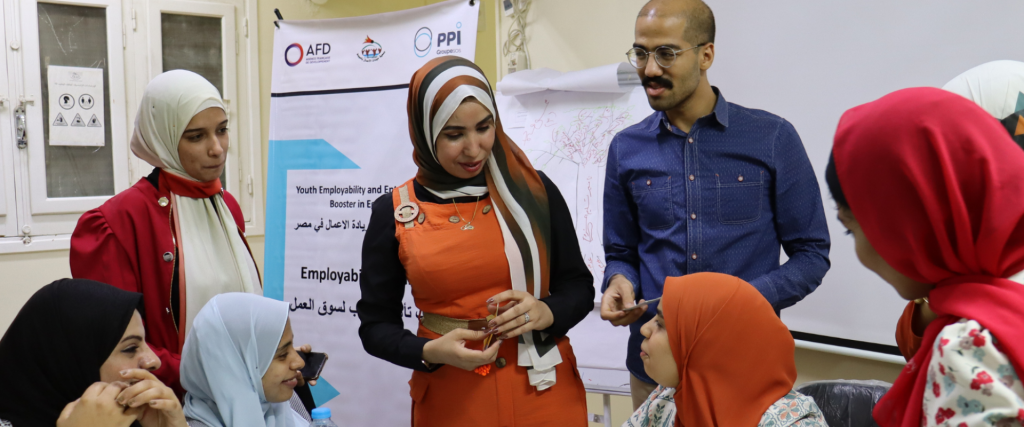
Who are our programmes aimed at?
A PULSE-supported entrepreneur is someone who runs a business to make a living, achieve greater stability and build a future — often in contexts where economic opportunities are either limited or weakened by a lack of protection and access to markets.
In many African economies, entrepreneurship is the norm rather than the exception: 70% of the working population is self-employed, rising to as much as 85% among women in rural areas.
This means that, in practice, a large proportion of the population is already engaged in entrepreneurial activities, often without identifying as entrepreneurs.
A smallholder farmer, a market vendor, a craftsperson or a service provider: all these activities involve entrepreneurial practices — producing, selling, managing and adapting — even though they may differ from conventional perceptions of entrepreneurship.
We primarily support:
- Micro-entrepreneurs operating in the informal economy.
- Farmers engaged in production or processing activities.
- Small business owners operating in trade, services, crafts or agriculture.
- People living in rural or peri-urban areas, who are often beyond the reach of conventional support programmes.
For many, entrepreneurship is not a choice but a necessity. In the absence of access to formal employment, these activities are their main means of generating an income and supporting their households.
With the right support, these entrepreneurs can strengthen their skills, secure their activities and develop more stable and sustainable sources of income — for themselves, as well as for those around them and their wider communities.
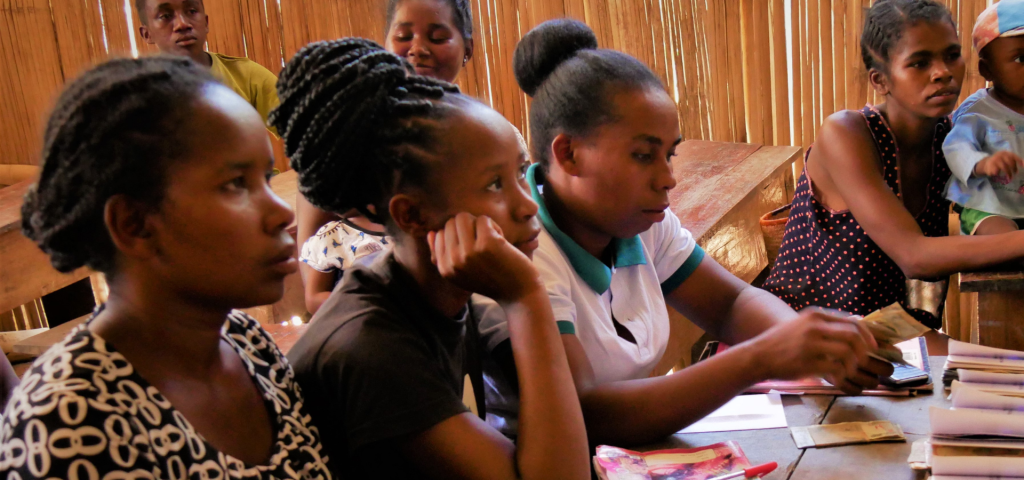
Focus on women
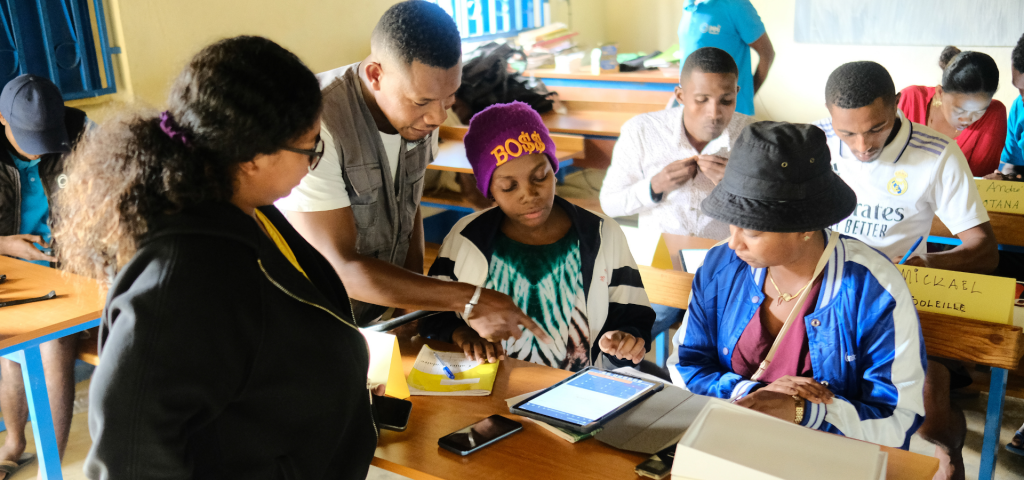
Focus on young people
We also support young people for whom entrepreneurship is often the main pathway to economic inclusion.
Faced with saturated labour markets, they start businesses with limited resources, little guidance and limited access to support programmes.
Our role is to help them structure their initiatives, develop their skills and turn subsistence activities into genuine opportunities for growth.
OUR THEORY OF CHANGE
PULSE’s theory of change is based on the premise that the economic and climate resilience of those at the heart of Africa’s economy can only be strengthened sustainably through simultaneous action on individual capabilities, collective structures and the institutional environment.
Thus, if entrepreneurs, particularly women and young people in rural areas, receive structured support, develop strong technical and behavioural skills, and gain access to appropriate financial solutions, then their incomes, food security and ability to withstand personal and climate-related shocks will improve significantly.

Believing in oneself
Building individual capabilities
→ confidence
→ skills
→ tools

Act collectively
Strengthening collective action
→ cooperatives
→ networks
→ access to markets and finance

Transforming the system
Transforming the environnement
→ public policies
→ financial mechanisms
→ ecosystems
OUR IMPACT
Our Activity Figures – Outputs
-
+5000
people supported each year through technical and behavioural training and access to financial services.
-
+500
civil society organisations supported through organisational, educational, financial and commercial capacity-building.
-
+50
Our Results – Outcomes
-
83%
-
58%
of respondents are pursuing a project with a positive environmental impact on their ecosystem (this figure rises to 62% among female respondents leading a project).
-
64%
of respondents are pursuing a project with a positive economic impact on their ecosystem (this figure rises to 52% among female respondents leading a project).
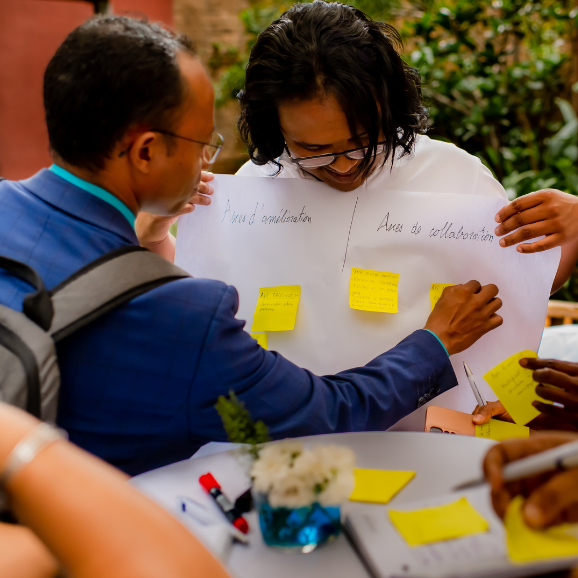
In Senegal and South Africa, 492 people strengthened their entrepreneurial skills through the support provided under the REACH project.
In the Balkans, 25 alumni-led projects supported by the RISE ecosystem are generating income through their activities.
In Tunisia, 100% of entrepreneurship support organisations reported that the tailored support sessions delivered as part of the SAMIM project strengthened their strategic expertise, particularly in communication and business development.
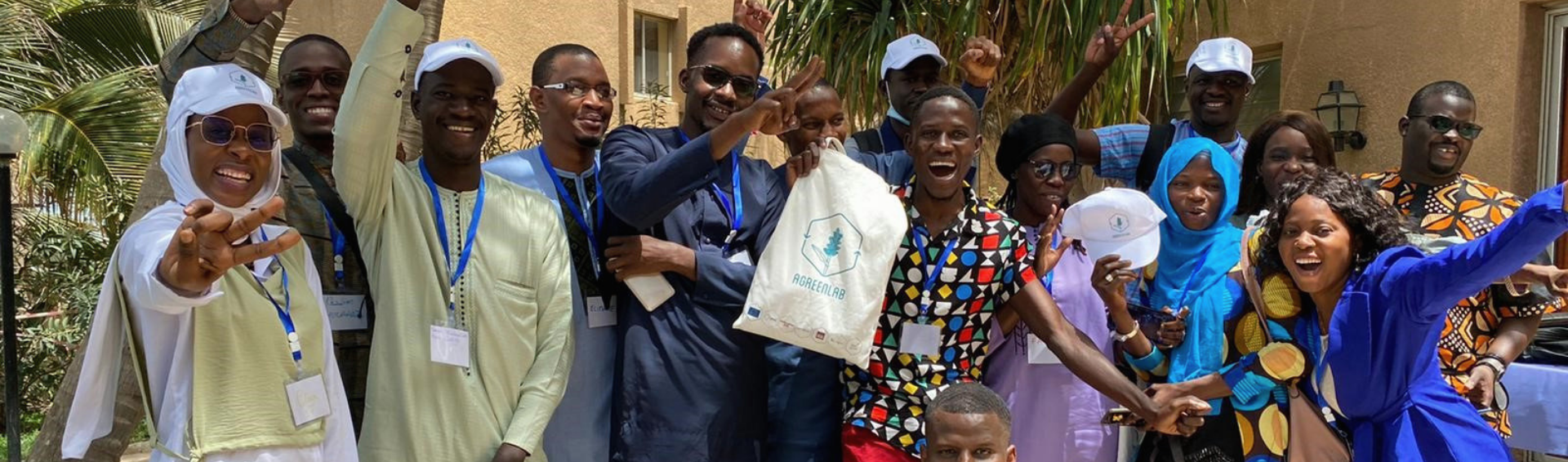
In Senegal, 126 jobs were created through our AGreenLab programme.
In Madagascar, more than 50% of members of the Collectifs d’Actions Rurales et Intégrées (predominantly women) report being able to meet their food needs throughout the lean season thanks to their savings, through the project supporting the resilience of vanilla-producing communities.
MONITORING & EVALUATION
Evaluating to continuously learn and adapt our approaches
At the heart of our approach, monitoring and evaluation strengthens our ability to experiment, adapt our interventions and anticipate the needs of the entrepreneurs and organisations we support.
In 2025, we continued to reflect on impact measurement and strengthen our monitoring and evaluation practices. We supported our incubators and partner organisations in monitoring their activities through training, tool-sharing and methodological guidance.
The use of collaborative tools such as Notion and Airtable has facilitated real-time monitoring and information-sharing within our teams and with our partners.
We also recruited a Monitoring & Evaluation Manager to develop a shared impact strategy and foster a culture of learning. This step reflects our strong commitment to consolidating a culture of evaluation and learning across the organisation.
Our projects are systematically evaluated by specialised external teams, ensuring an objective and independent assessment of our results. The data collected has also enabled us to continuously adapt our training programmes, strengthening beneficiary participation and satisfaction.
In 2026, we are preparing to roll out a Monitoring & Evaluation toolkit, designed to harmonise the monitoring and impact measurement of our programmes while supporting the sharing and documentation of best practices.
We also plan to introduce participatory mechanisms for beneficiaries, developing collaborative approaches to gather their feedback and deepen our understanding of the impact of our interventions.
These initiatives reflect our commitment to continued innovation and to improving the effectiveness of our support, in order to generate lasting impact across all the countries where we operate.
SCALING-UP OBJECTIVE
Scaling up is achieved when the entrepreneurs who sustain African economies can independently and sustainably access quality economic services through strengthened local organisations, when these services are embedded within local ecosystems, and when the empowerment models developed by PULSE are adopted, adapted and sustainably financed.
Success is measured both by the creation of decent jobs, sustained improvements in beneficiaries’ incomes and resilience, and the ability of ecosystems to operate without direct dependence on PULSE.
Change is achieved when women and men earning their livelihoods through formal or informal entrepreneurial activities have lasting access to the skills, finance and opportunities they need to earn a decent living from their work.
Entrepreneurs can access support services, appropriate financial solutions and structured markets locally, without relying on external intervention.
In this situation, PULSE is no longer an indispensable operator: its role becomes one of knowledge transfer, learning and innovation, while the solutions, skills and models it has helped to develop are sustainably driven, financed and adapted by local stakeholders.